
Beard Transplant: Your Guide to a Fuller, Natural-Looking Beard
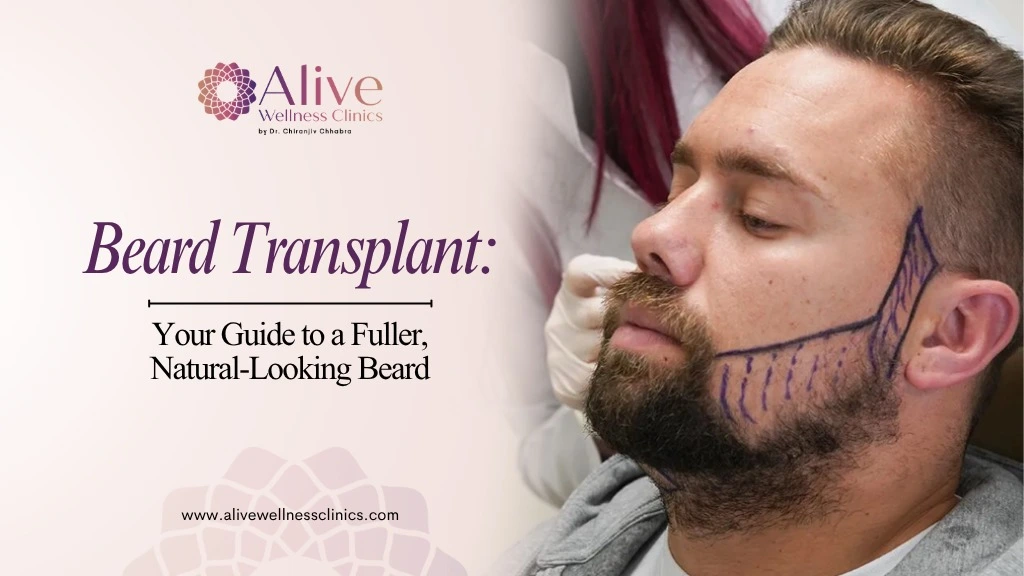
Everyone likes to grow a complete beard naturally. Beards give someone an identity and shape how they perceive themselves, but not everyone grows the exact beard they want. Uneven growth, sparse areas, facial scars, and hair loss can make a beard look uneven even after frequent cleaning. A beard transplant can help restore hair by carefully moving healthy hair follicles from a donor area to make the beard denser and more natural-looking.
However, a transplant may not be the first or the only line of treatment. Depending on the cause of poor beard growth, some treatments like PRP, GFC, or QR 678 may be recommended. This guide explains how beard transplantation works, who may benefit, what to expect from the procedure, its cost, results, recovery, and available alternatives.
What Is a Beard Transplant?
A beard transplant is a procedure that restores hair in areas where beard growth is sparse, patchy, or absent. Hair follicles are usually taken from a suitable donor area and carefully placed into the beard to create fuller coverage and a more natural appearance. The placement of each graft is planned around the patient's existing beard pattern, facial structure, and desired density.
How Does Beard Transplantation Work?
FUE Technique: Follicular Unit Extraction (FUE) involves extracting individual hair follicles from the donor area and transplanting them into the beard.
Donor Area: Hair is commonly taken from a suitable area with healthy, stable hair growth, often the scalp.
Beard Design: Grafts are placed at carefully chosen angles and directions to follow the natural pattern of facial hair.
Natural-Looking Growth: Proper graft placement and beard-line design help create coverage that blends naturally with existing facial hair
Beard Transplant Procedure Step by Step
A beard transplant is carefully planned around your existing facial hair, desired beard shape, and the availability of suitable donor hair. While the exact process can vary from person to person, the procedure generally involves the following steps:
1. Consultation
The process begins with a consultation to assess your beard growth, facial hair pattern, donor area, and overall suitability for transplantation. Your doctor will also discuss your desired beard density and shape.
2. Beard Design
The beard line and areas requiring additional coverage are mapped out according to your facial structure and existing growth. This helps create a balanced and natural-looking beard.
3. Donor Hair Extraction
Using the FUE technique, individual hair follicles are carefully extracted from the selected donor area. The follicles are prepared for transplantation while preserving their quality.
4. Graft Implantation
The extracted grafts are placed into the targeted beard areas at carefully planned angles and directions. Proper placement helps the transplanted hair blend naturally with existing facial hair.
5. Recovery
After the procedure, the treated areas begin to heal. Mild redness, swelling, or scabbing may occur temporarily. Your doctor will provide specific aftercare instructions to support healing and the growth of the transplanted follicles.
Why Doesn't My Beard Grow Properly?
Not everyone develops the same beard density or pattern. Genetics play a major role in growth, but other factors such as hormonal changes, certain types of hair loss, and scarring also affect facial hair growth. Understanding the underlying cause is really important before deciding to have a beard transplant.
Common Reasons for Poor Beard Growth
1) Genetics:
Your genes can influence beard density, growth pattern, and how evenly facial hair develops.
2) Hormonal factors:
Changes or imbalances in hormones can sometimes affect facial hair growth.
3) Patchy beard:
Uneven follicle distribution can leave certain areas noticeably thinner than others.
4) Beard scars:
Injuries, burns, or previous procedures can damage follicles and leave areas with little or no hair growth.
5) Alopecia:
Certain forms of alopecia can cause patchy or localised facial hair loss and may require medical evaluation before considering transplantation.
Who Is the Right Candidate for a Beard Transplant?
A beard transplant might be an option if you have patches on your face where hair doesn't grow well, looks patchy, or is absent altogether. It could help if your beard doesn't grow properly due to inherited traits, past damage, scarring, or hair loss on your face. To see if this procedure fits, a dermatologist first checks why your hair isn't growing well, looks at the skin where healthy hair grows elsewhere on your body, then sees how many usable follicles are there to move to the sparse spots.
A Beard Transplant May Be Considered For:
Patchy beard: Uneven areas where beard growth is noticeably sparse.
Thin beard: Low beard density despite having existing facial hair.
Beard scars: Areas where scarring has affected normal hair growth.
Burn scars: Scarred areas with little or no facial hair.
Facial hair loss: Persistent or localised loss of beard hair.
If the follicles are weak but still working, treatments like QR678, PRP, or GFC might help boost what hair is growing on your scalp without surgery. Yet if those small bulbs on your skin have stopped working for good or vanished entirely, then these treatments may not restore hair in those areas, making a beard transplant a more suitable option. A personalized evaluation can help determine whether beard hair restoration or a regenerative approach is right for you.
Beard Transplant vs Non-Surgical Beard Growth Treatments
Not every beard concern needs the same solution. Beard hair restoration may involve a transplant when follicles are missing, while non-surgical beard growth treatments can be considered when existing follicles are weak or thinning. The right approach depends on the cause of beard hair loss, follicle health, and the amount of coverage needed.
Key Differences
Beard Transplant | Non-Surgical Beard Growth Treatments |
Adds healthy donor follicles to areas with little or no hair. | Works with existing hair follicles |
Suitable for absent or permanently damaged follicles | Better suited to weak or thinning follicles |
Uses a surgical transplantation technique | Uses minimally invasive treatment approaches |
Provides new hair growth in the treated areas | Aims to support existing beard growth |
Requires recovery after the procedure | Generally involves less downtime |
Treatment Options Based on Your Concern
Concern | Recommended Treatment |
Mild Patchy Beard | |
Weak Hair Growth | |
Early Hair Thinning | |
Missing Beard Hair | Beard Transplant |
Facial Hair Loss with Scalp Hair Loss | Hair Transplant + Beard Transplant |
A dermatologist can assess whether the follicles are still active and determine whether beard growth treatment or transplantation is more appropriate. In some cases, regenerative treatments may be explored before considering a beard transplant.
Beard Transplant Cost in India
The beard transplant cost in India depends on the amount of hair that needs to be transplanted. The entire treatment plan is prepared according to the amount of hair that the individual would want to transplant and the beard pattern of the individual. A fixed cost is not charged; instead, the cost depends upon the number of grafts required, donor site evaluation, desired beard density, and graft requirements.
What Affects Beard Transplant Cost?
Number of grafts: As beard transplantation is done in thousands, large surface area and high-density grafting might require more grafts. These would add to the cost.
Surgeon expertise: An experienced surgeon may cost more due to their expertise and associated costs.
Clinic location: Facility costs and local market conditions determine the cost.
Treatment requirements: The extent of facial hair loss and desired beard design can also affect the overall plan.
A consultation is the best way to understand the number of grafts required and receive a personalized treatment estimate.
Beard Transplant Before and After- What Results Can You Expect?
Beard transplant results develop gradually as the transplanted follicles settle and enter their natural growth cycle. Individual results can vary, but changes can be observed within a few months.
Beard Transplant Growth Cycle
First few weeks: Healing causes mild redness, swelling, or scabbing.
2–8 weeks: Some transplanted hairs may shed temporarily as part of the normal post-transplant growth cycle.
3–6 months: A new beard will start to grow as implanted hairs become active.
6–12 months: Growth continues to mature, with improvements in beard density, coverage, and overall appearance becoming more apparent.
What Can Affect the Results?
Number and quality of transplanted grafts
Condition of the donor area
Existing beard density
Individual hair-growth cycle
Proper aftercare and post-treatment care
Overall health and lifestyle
Before-and-after results can vary from person to person, so a consultation with a qualified specialist is important for setting realistic expectations about beard density and growth.
Beard Transplant Side Effects & Recovery
Some temporary changes are common after a beard transplant as the treated and donor areas heal. These usually settle gradually, but the exact recovery experience can vary depending on the individual and the extent of the procedure.
Common Side Effects
Swelling: Mild swelling may occur around the treated area during the initial recovery period.
Redness: The donor and recipient areas may appear red while the skin heals.
Scabbing: Small scabs can develop around the transplanted grafts and usually clear as healing progresses.
Temporary shedding: Transplanted hairs may shed during the early growth cycle before new growth begins.
Healing Timeline & Aftercare
The initial healing generally takes place over the first few weeks, while the transplanted follicles continue through their natural growth cycle over the following months. Following your specialist's aftercare instructions, keeping the area clean, avoiding unnecessary touching or rubbing, and protecting the treated skin can support proper healing.
Tips to Maintain Beard Transplant Results
Maintaining your beard after transplantation involves more than simply waiting for new hair growth. Giving the transplanted area proper care and following healthy habits can support the overall appearance and long-term condition of your beard.
Maintain a healthy diet: Include a balanced diet with adequate protein, vitamins, and minerals to support healthy hair growth.
Follow a regular beard-care routine: Keep the beard clean and groom it gently once the area has healed.
Avoid smoking: Smoking can affect overall circulation and may interfere with the body's healing and hair-growth processes.
Follow aftercare instructions: Stick to your specialist's recommendations, particularly during the initial healing period, to protect the transplanted follicles and support recovery.
A Personalised Approach to Beard Hair Restoration
Not every problem with your beard needs a transplant. For many men, techniques such as QR678, GFC, or PRP can help support the existing follicles if your beard is weak or sparse. If the follicles are missing or severely damaged, a Beard Transplant will be considered to replace the missing hair.
At Alive Wellness Clinics, we recognize that beard growth can differ greatly between individuals. Our experts evaluate your beard shape, donor site, existing follicles, and personal objectives to provide a personalized plan tailored to your needs. You may be a good fit for a Beard Transplant or regenerative treatments - the main goal is finding a solution designed for you.
Ready to explore your options for fuller, natural-looking facial hair? Book a personalised consultation at Alive Wellness Clinics today.